Introduction
Social Media Marketing Guide for beginners in 2025 helps you navigate the overwhelming world of platforms, posting schedules, and engagement strategies. Social media is no longer optional for businesses and bloggers—it’s essential for building a brand, driving website traffic, and engaging audiences.
Many beginners post randomly or inconsistently, which rarely yields results. This guide provides a step-by-step approach for selecting the right platforms, creating a content strategy, engaging followers, and measuring performance effectively. By applying these strategies, you’ll save time, avoid common mistakes, and develop a strong social media presence that grows your business or blog.
Even if you’re new to social media marketing, following this guide will give you the confidence to plan campaigns, post consistently, and track results to achieve meaningful engagement and conversions.
Step 1 – Choose the Right Platforms Social Media Marketing Guide
Focus on platforms where your audience is active
Popular options: Instagram, Facebook, YouTube, LinkedIn, TikTok
Avoid spreading too thin across multiple platforms
Human insight:
Quality engagement on 1–2 platforms beats presence on all platforms with low activity.
Step 2 – Define Your Goals
Brand awareness
Website traffic
Lead generation or sales
Community building
Experience:
Clear goals make your social media strategy focused and measurable.
Step 3 – Create a Content Strategy
Mix educational, entertaining, and promotional content
Use content calendars for consistency
Repurpose blog posts, videos, and infographics
Internal link:
Blogging & Content Creation Strategies
Tip:
Consistency is more important than frequency; start small and scale.
Step 4 – Optimize Profiles
Use professional profile images
Write clear bios with keywords
Include website links and CTAs
Human insight:
A complete and optimized profile increases trust and discoverability.
Step 5 – Engage with Your Audience
Reply to comments and messages promptly
Ask questions and encourage participation
Monitor hashtags and trends
Experience:
Engagement signals boost organic reach on social media platforms.
Step 6 – Analyze Performance Metrics
Key Metrics:
Likes, shares, and comments
Follower growth
Click-through rates (CTR)
Conversions
Pro tip:
Use platform analytics or tools like Buffer, Hootsuite, or SocialBee.
Step 7 – Paid Advertising Basics
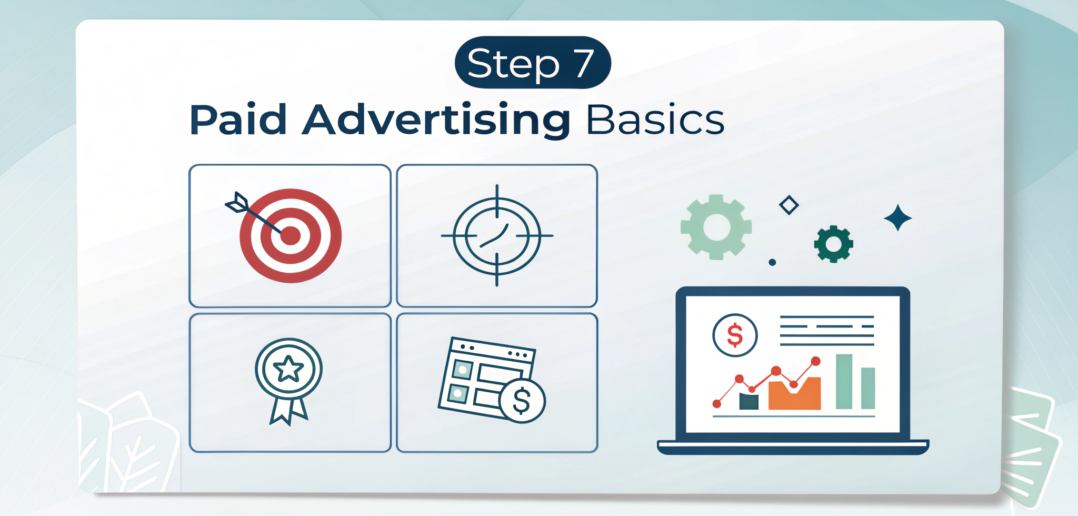
Facebook Ads, Instagram Ads, YouTube Ads
Set clear budgets and audience targeting
Test campaigns and analyze results
Human insight:
Paid ads accelerate growth but should complement organic efforts.
FAQ Section
Q1: How often should beginners post on social media?
Start with 3–5 posts per week on key platforms; increase gradually.
Q2: Which platform is best for beginners?
Choose the platform where your audience is most active.
Q3: Do I need a content calendar?
Yes, it ensures consistency and reduces stress.
Q4: Are paid ads necessary?
Not initially, but they help scale once organic growth is established.
Q5: How do I measure social media ROI?
Track engagement, traffic, conversions, and goal achievement.
Internal Linking Summary
Content Creation Strategy for Blogs: A Simple Framework That Works –
Top SEO Tools for 2025: Beginner-Friendly Guide –
External Authority Links
Hootsuite Blog
Buffer Blog
Sprout Social Resources