Introduction
The On-Page SEO Checklist is a must-have for beginners who want their websites to rank higher in 2025. Many new website owners focus only on content creation, assuming keywords or backlinks alone will guarantee top rankings. In reality, Google now prioritizes helpful, structured, and user-friendly content. Without proper on-page optimization, even beautifully designed websites can remain invisible in search results.
This guide provides a complete On-Page SEO Checklist for beginners, covering all the essential steps to optimize your website effectively. You’ll learn how to structure your content, use the right tools, fix common mistakes, and understand modern SEO principles. Whether you are running a WordPress blog, an e-commerce site, or a business website, following this checklist ensures your pages are fully optimized for Google in 2025. By implementing these strategies, you can improve rankings, boost traffic, and provide a better user experience for your visitors.
The On-Page SEO Checklist emphasizes practical, actionable steps rather than complicated theories. You’ll discover how to optimize page titles, meta descriptions, headings, images, internal links, and more. Additionally, the guide covers mobile optimization, page speed, structured data, and user engagement—factors that Google increasingly considers when ranking pages. Even beginners can follow this checklist to gradually see measurable improvements in their search engine performance.
By starting with a structured On-Page SEO Checklist, you remove guesswork and ensure that every post or page on your site meets modern SEO standards. Following these steps consistently will help your content rank faster, attract targeted traffic, and maintain long-term visibility in search results.
Step 1 – Understand How SEO Works in 2025 On-Page SEO Checklist
SEO is no longer just about keywords.
Core Components:
On-page SEO – optimizing content, headings, images
Off-page SEO – backlinks, social signals, authority
Technical SEO – site speed, mobile-friendliness, structured data
User Experience (UX) – navigation, readability, engagement
Beginner tip:
Focusing on on-page SEO first gives the quickest results.
H2: Step 2 – Conduct Keyword Research
How to Find the Right Keywords:
Google Autocomplete & PAA
Ubersuggest / Ahrefs / SEMrush
Long-tail, low-competition variations
Experience-based insight:
Targeting long-tail keywords often allows beginner websites to rank faster.
Internal link:
Keyword Research for Low Competition
Step 3 – Optimize On-Page SEO
Key On-Page Factors:
H1, H2, H3 headings
Meta titles & descriptions
URL structure
Image alt text
Internal linking
Common mistake:
Ignoring meta descriptions or using long, unreadable URLs.
Internal link:
How to Write Blog Posts That Rank on Google

Step 4 – Improve Website Speed & Mobile-Friendliness
Technical SEO Basics:
Use caching plugins (WordPress)
Optimize images
Minify CSS/JS
Use mobile-responsive themes
Real-world tip:
A 1-second faster load time can increase rankings and reduce bounce rates.
External reference:
Google PageSpeed Insights
Step 5 – Create High-Quality Content Consistently
Content Strategy Principles:
Solve specific user problems
Answer frequently asked questions
Include examples and visuals
Human insight:
Google now values E-E-A-T—expertise, experience, authority, trustworthiness—over keyword density.
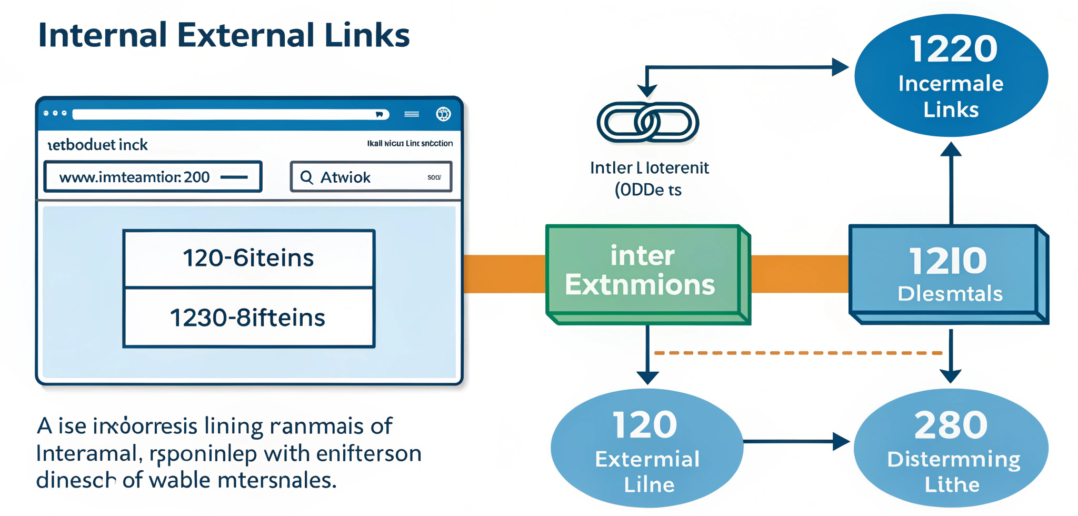
Step 6 – Use Internal & External Linking
Internal links improve:
Crawlability
Page authority distribution
User experience
External links add credibility and authority.
Example:
Link to Google’s official guides or authoritative industry sources.
Step 7 – Track SEO Performance
Key Metrics:
Organic traffic
Rankings for target keywords
Bounce rate & time on page
Tool suggestion:
Google Search Console and Analytics provide actionable insights.
Step 8 – Fix Common SEO Mistakes
Common beginner mistakes include:
Duplicate content
Missing alt tags
Slow websites
Poor mobile experience
Real-world tip:
Regular SEO audits prevent small issues from becoming big ranking blockers.
FAQ Section
Q1: Is SEO still relevant in 2025?
Absolutely. Organic traffic remains a top growth channel for websites.
Q2: Can beginners do SEO themselves?
Yes, with proper guidance, tools, and consistency.
Q3: How long does it take to see results?
Typically 3–6 months for consistent, beginner-friendly SEO efforts.
Q4: Should I focus more on content or backlinks first?
Content first—quality content is the foundation for links.
Q5: Are technical SEO issues important for beginners?
Yes, small technical fixes can have a big impact on rankings.
Internal Linking Summary
How to Write Blog Posts That Rank on Google (Proven Process) –
Blog Content Ideas for Beginners (Proven & Profitable) –
External Authority Links
Google Search Central
Moz Beginner SEO Guide
Ahrefs Blog