Introduction
How to track SEO performance in 2025 is one of the most important skills for any website owner or blogger. Creating great content and optimizing your site for search engines is only half the battle. Without monitoring results, it’s impossible to know whether your SEO efforts are effective or which areas need improvement. Many beginners publish posts, wait weeks, and wonder why traffic isn’t growing—often because they are not tracking key metrics or analyzing performance systematically.
Tracking SEO performance allows you to make data-driven decisions, identify opportunities for improvement, and avoid wasting time on strategies that don’t work. In 2025, beginner-friendly tools like Google Analytics and Search Console, combined with free and paid SEO platforms, make it easier than ever to monitor traffic, keyword rankings, engagement, and conversions. By learning to track performance effectively, you can refine your SEO strategy, increase visibility on Google, and grow your website faster.
This guide is designed specifically for beginners who want practical, actionable advice on tracking SEO performance in 2025. You’ll learn which metrics matter most, how to interpret them, and what steps to take when you notice drops or opportunities. From traffic trends to backlinks, technical SEO, and user engagement, we cover everything you need to monitor to ensure your SEO efforts are paying off.
Monitoring SEO performance isn’t just about numbers—it’s about understanding your audience, identifying top-performing content, and making continuous improvements. For example, a page with high traffic but low engagement may indicate that the content needs better structure or clearer calls-to-action. Similarly, a drop in keyword rankings might mean your content needs updating to maintain authority in search results. Regular monitoring helps you spot these issues early, allowing you to act quickly before small problems impact your website’s overall performance.
By the end of this guide, beginners will know how to track organic traffic, measure keyword performance, monitor engagement, analyze conversions, review technical SEO metrics, and track backlinks and domain authority. You’ll also learn how to interpret these metrics and adjust your strategy effectively, ensuring your website grows steadily over time.
Whether you are running a personal blog, an e-commerce site, or a small business website, mastering how to track SEO performance in 2025 will save you time, improve your ROI, and give you confidence that your efforts are producing results. The key is consistency: monthly or weekly reviews, small but continuous improvements, and informed decisions based on real data.
Tracking SEO performance is not a one-time task—it’s an ongoing process that allows you to stay ahead of the competition, optimize your website, and achieve long-term search engine success. With the right tools, clear metrics, and actionable insights, beginners can grow their websites efficiently and avoid common pitfalls that often hinder progress.
Step 1 – Set Up Google Analytics & Search Console how to track SEO performance in 2025
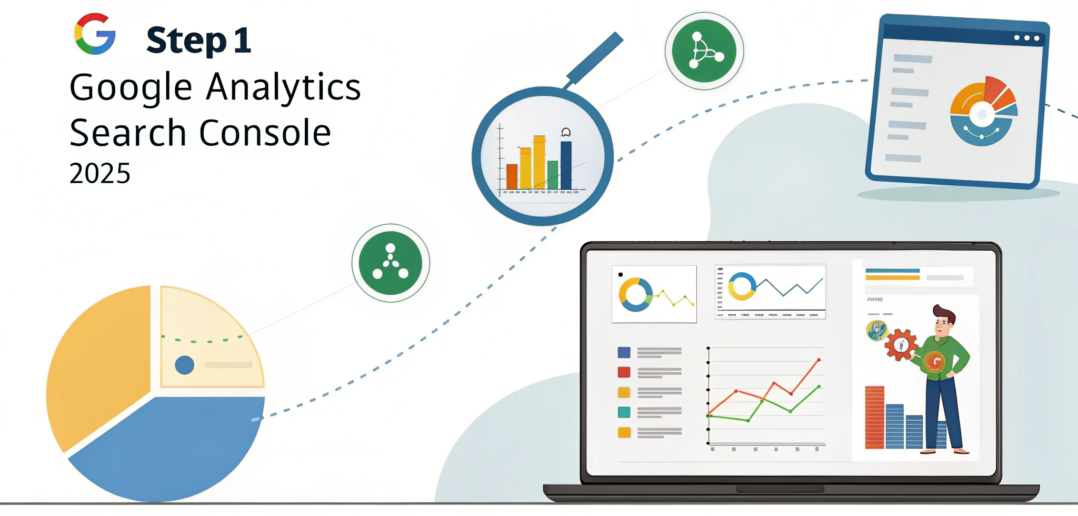
Google Analytics: Tracks traffic, user behavior, and conversions
Google Search Console: Tracks indexing, keyword rankings, and crawl errors
Pro tip:
Link Search Console with Analytics for comprehensive insights.
Step 2 – Track Organic Traffic
Monitor total organic sessions
Identify high-performing pages
Compare month-to-month growth
Human insight:
Traffic spikes can indicate successful content or trends worth expanding.
Step 3 – Monitor Keyword Rankings
Track primary and secondary keywords
Use tools like Ubersuggest, SEMrush, or Ahrefs
Identify pages dropping in rankings for improvement
Experience:
Small drops in ranking often mean content needs updating, not failure.
Step 4 – Measure Engagement Metrics
Important Metrics:
Bounce rate
Average session duration
Pages per session
Insight:
High traffic with low engagement indicates content or UX issues.
Step 5 – Track Conversions & Goals
Define goals (newsletter signups, purchases, downloads)
Monitor which pages contribute to conversions
Adjust content and calls-to-action accordingly
Tip:
Conversions measure ROI beyond rankings and traffic.
Step 6 – Monitor Technical SEO Metrics
Crawl errors in Search Console
Mobile usability issues
Page speed and Core Web Vitals
Experience:
Regular technical monitoring prevents ranking drops.
Step 7 – Track Backlinks & Authority
Monitor referring domains and backlinks
Identify lost links and acquire new ones
Track domain authority changes
Human insight:
High-quality backlinks improve trustworthiness and SERP performance.
Step 8 – Review & Adjust Monthly
Analyze trends and performance
Identify top-performing content
Optimize underperforming pages
Pro tip:
Small, consistent adjustments outperform large, sporadic changes
FAQ Section
Q1: How often should I track SEO metrics?
Monthly reviews are enough for small blogs; weekly for larger sites.
Q2: Can I track SEO without paid tools?
Yes, Google Analytics and Search Console are sufficient for beginners.
Q3: Which metrics are most important?
Organic traffic, keyword rankings, engagement metrics, and conversions.
Q4: How do I know if my SEO efforts are working?
Look for consistent growth in traffic, rankings, and user engagement.
Q5: Should I adjust my strategy based on metrics?
Yes, data-driven decisions ensure continuous improvement.
Internal Linking Summary
Technical SEO Checklist for Beginners: Improve Website Performance –
On-Page SEO Checklist for WordPress Websites in 2025 –
External Authority Links
Google Analytics
Google Search Console
Ahrefs Blog