Introduction
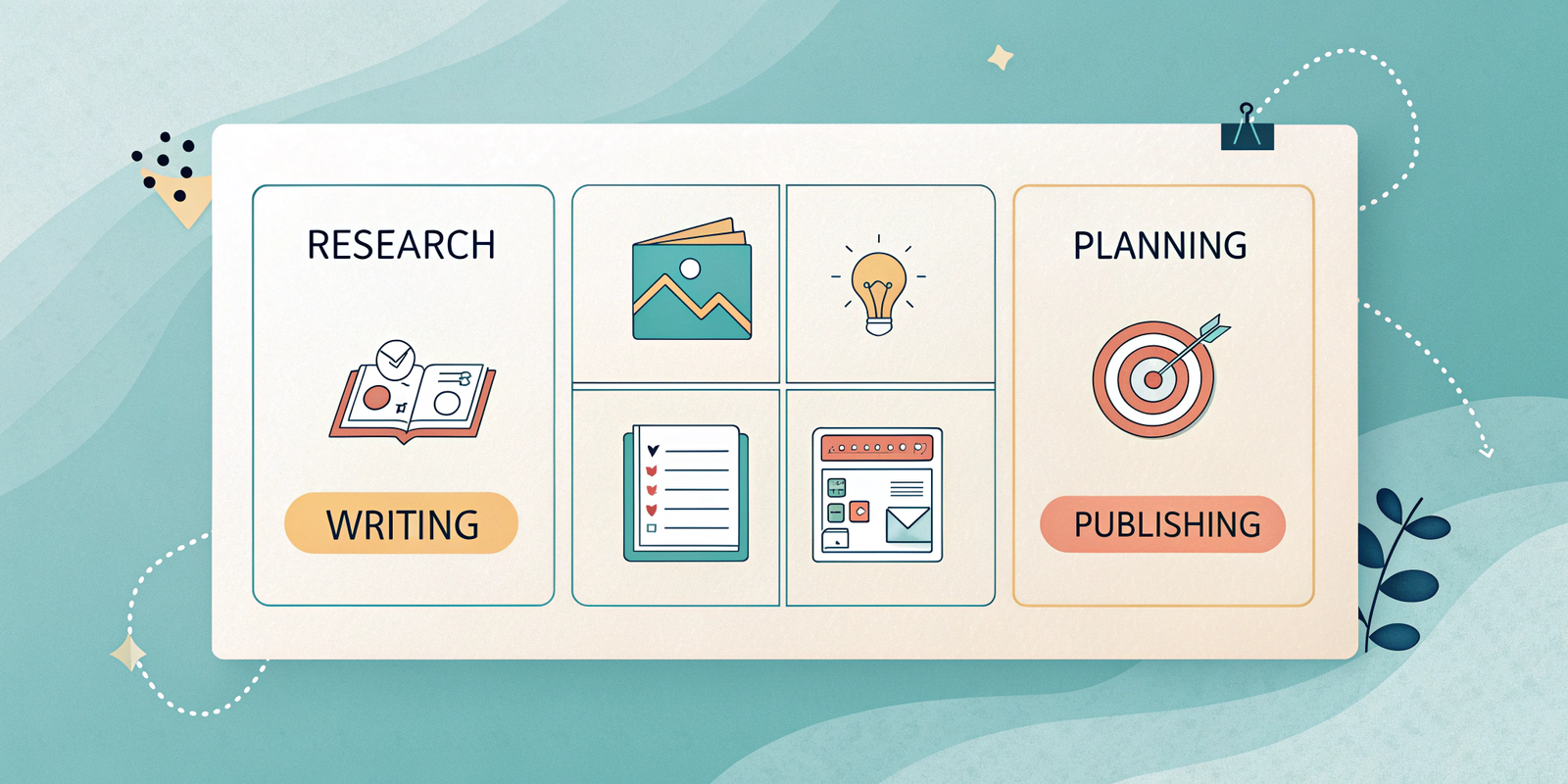
One of the biggest reasons blogs fail is not poor writing or bad SEO—it’s the lack of a clear content creation strategy for blogs. Many bloggers start with excitement and motivation, publish a few random posts, and then wait for traffic that never comes. When results don’t appear, frustration sets in, consistency drops, and eventually the blog is abandoned. I’ve seen this pattern repeatedly, especially among beginners who don’t know what to publish, when to publish, or why a particular topic even matters.
Without a content creation strategy, blogging quickly becomes confusing. You may spend hours writing posts, but they don’t rank, don’t attract readers, and don’t contribute to long-term growth. This leads many bloggers to believe blogging “doesn’t work,” when in reality, the problem isn’t effort—it’s direction. A blog without a strategy is like building a house without a blueprint. You might be working hard, but the results will always be unpredictable.
A solid content creation strategy for blogs removes guesswork from the process. Instead of publishing whatever comes to mind, you follow a structured plan that aligns with your niche, your audience, and search engine behavior. A strategy helps you decide what topics to cover, how often to publish, and how each piece of content fits into your overall blog goals. This clarity makes blogging easier, more focused, and far more effective.
Another major benefit of having a content creation strategy is consistency. Many beginners struggle to stay consistent because they constantly run out of ideas. When you don’t know what to write next, blogging feels stressful instead of enjoyable. A clear strategy gives you a roadmap, so you always know what content to create next. This consistency is crucial, as search engines favor websites that publish regularly and demonstrate long-term commitment.
A well-planned content creation strategy also helps you attract the right kind of traffic. Instead of random visitors who leave immediately, you begin attracting readers who are genuinely interested in your niche. By focusing on real questions and problems your audience is searching for, your content becomes more useful, more relevant, and more likely to rank on Google. Over time, this builds topical authority, which is essential for sustainable SEO growth.
In 2025, blogging is more competitive than ever. Search engines are smarter, users are more selective, and low-effort content no longer performs well. This makes having a content creation strategy for blogs not just helpful, but essential. Bloggers who plan their content carefully can grow faster with fewer posts, while those who publish randomly often struggle despite publishing more.
This article shares a simple, beginner-friendly content creation strategy that actually works in 2025. It’s designed for bloggers who don’t have unlimited time, advanced SEO knowledge, or big budgets. There are no complicated systems, no unrealistic publishing schedules, and no unnecessary tools. Instead, you’ll learn a practical framework that helps you create content with purpose, confidence, and clarity.
Whether you’re starting a new blog or struggling to grow an existing one, this guide will help you build a content strategy you can realistically follow. By the end, you’ll understand how to plan content that attracts traffic, answers real questions, and supports long-term blog growth—without burnout or overwhelm. A strong content creation strategy won’t just improve your blog’s performance; it will completely change how you approach blogging.
Why You Need a Content Creation Strategy content creation strategy for blogs
A strategy helps you:
Stay consistent
Target the right keywords
Build topical authority
Avoid burnout
Real experience:
Blogs with a plan grow faster than blogs with random posts—even with fewer articles.
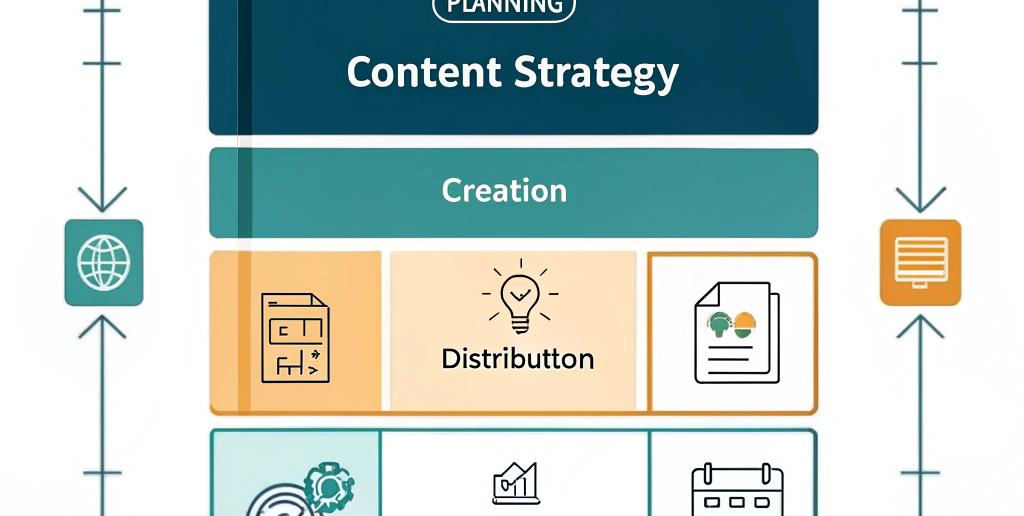
Step 1 – Define Your Blog’s Core Topics (Content Pillars)
Content pillars are main themes your blog focuses on.
Example for a Blogging Blog:
Blogging basics
SEO
Monetization
Tools & resources
Beginner mistake:
Writing about unrelated topics that confuse readers and search engines.
Internal link:
How to Start a Blog in 2025
Step 2 – Research Topics Using Real User Questions
The best content ideas come from questions people already ask.
Free Research Methods:
Google autocomplete
People Also Ask
YouTube search
Reddit & Quora
Example:
Search “blogging for beginners” and note common questions.
Internal link:
Blog Content Ideas for Beginners
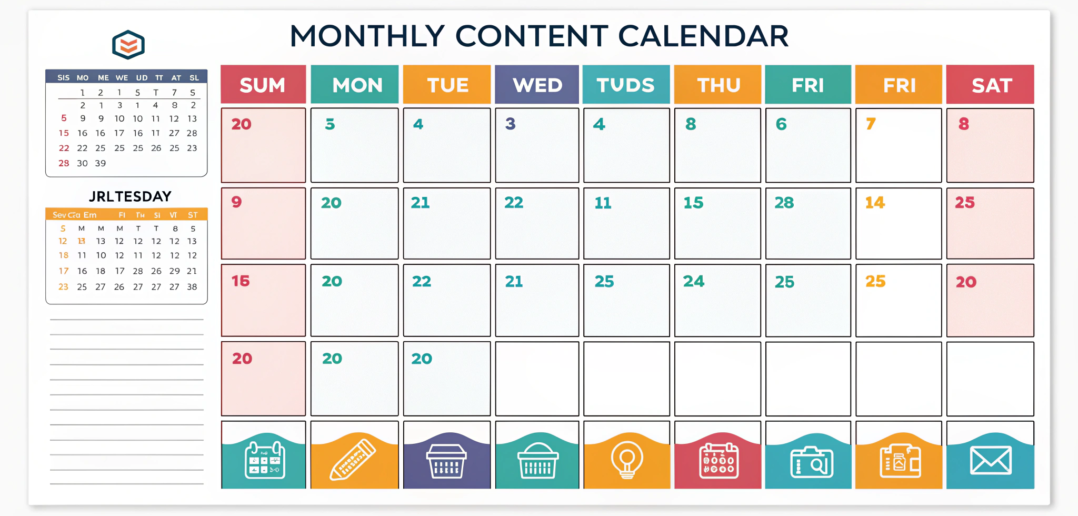
Step 3 – Create a Simple Content Calendar
You don’t need fancy tools.
Beginner-Friendly Calendar:
1–2 posts per week
Mix beginner + advanced topics
Plan at least 1 month ahead
Truth:
Consistency beats frequency.
Internal link:
How Often Should You Publish Blog Posts
Step 4 – Balance Evergreen & Trend-Based Content
Evergreen Content:
How-to guides
Tutorials
FAQs
Trend-Based Content:
New tools
Updates
Industry changes
Strategy tip:
Use trends to boost traffic, evergreen to sustain it.
Step 5 – Use Internal Linking to Build Authority
Internal links connect related content.
Benefits:
Better rankings
Improved navigation
Higher page views
Best practice:
Link older posts to new ones and vice versa.
Internal link:
Internal Linking for SEO
Step 6 – Track Performance & Improve
Content strategy is not “publish and forget.”
What to Track:
Traffic
Rankings
Engagement
Real-world example:
Updating underperforming posts often brings better results than writing new ones.
External reference:
Google Search Console
Step 7 – Avoid Burnout (Sustainable Strategy)
Burnout Prevention Tips:
Set realistic goals
Batch writing
Reuse content ideas
Experience-based advice:
Sustainable blogging wins long-term.
FAQ Section
Q1: How many blog posts should I plan per month?
4–8 posts is ideal for beginners.
Q2: Is a content calendar necessary?
Yes. It improves consistency and focus.
Q3: Should beginners focus on evergreen content?
Yes, especially in the first 6 months.
Q4: Can I change my content strategy later?
Absolutely. Strategies evolve with growth.
Q5: How long before content strategy shows results?
Usually 2–4 months with consistency.
Internal Linking Summary
Blog Content Ideas for Beginners (Proven & Profitable) –
How Often Should You Publish Blog Posts for SEO in 2025? –
External Authority Links
Google Search Console