Introduction
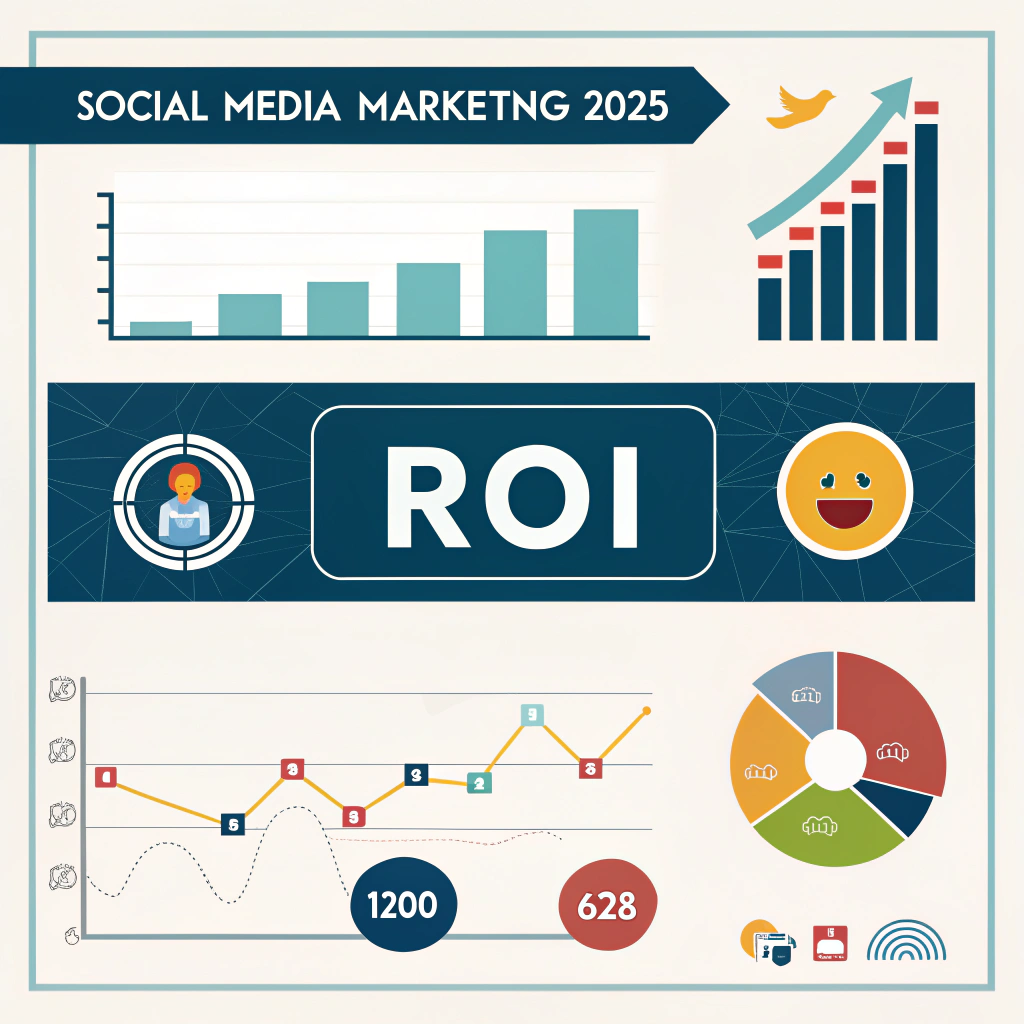
Measuring Social Media Marketing ROI in 2025.Running social media campaigns without tracking ROI is like sailing without a compass. Beginners often focus on likes and followers but ignore actual return on investment (ROI)—traffic, leads, and sales. Understanding ROI allows you to make data-driven decisions and allocate resources effectively.
This guide explains how to measure social media marketing ROI in 2025. You’ll learn which metrics matter, how to calculate ROI, tools for tracking performance, and strategies for improvement. By applying these methods, even beginners can optimize campaigns, increase conversions, and ensure every effort on social media contributes to real business results.
Step 1 – Define Clear Goals
Awareness, engagement, website traffic, leads, or sales
Assign KPIs to each goal
Align campaigns with overall business objectives
Human insight:
Without clear goals, ROI calculation is meaningless
 .
.
Step 2 – Track Engagement Metrics
Likes, shares, comments, and mentions
Follower growth and sentiment analysis
Platform-specific analytics dashboards
Experience:
Engagement indicates interest but must be combined with conversions to calculate ROI.
Step 3 – Monitor Traffic & Conversions
Use Google Analytics to track social traffic
Set up goals for email signups, purchases, downloads
Attribute conversions to social channels
Internal link:
Social Media Marketing Guide 2025
Human tip:
Tracking conversions links effort to measurable results.
Step 4 – Calculate ROI
Formula:
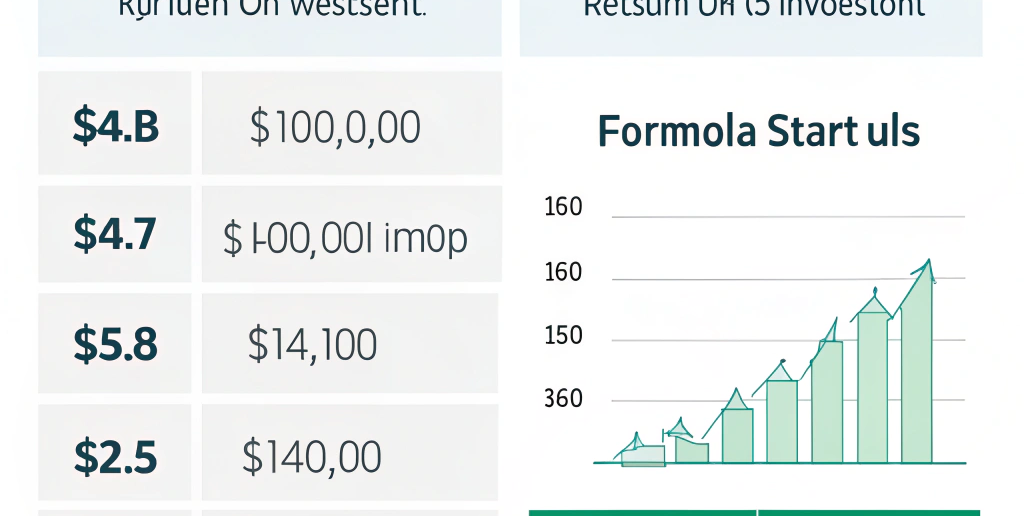
ROI (%) = (Revenue from social – Cost of campaigns) ÷ Cost of campaigns × 100
Include ad spend, content creation, and management costs
Compare ROI across platforms
Insight:
Even a small ROI improvement compounds over time with consistent tracking
 .
.
Step 5 – Analyze Campaign Performance
Identify top-performing content
Assess targeting effectiveness
Optimize underperforming campaigns
Human insight:
Data-driven adjustments improve ROI without increasing budgets.
Step 6 – Use Tools for Tracking
Free tools: Google Analytics, Facebook Insights, Instagram Insights
Paid tools: Hootsuite, Sprout Social, Buffer Analyze
Experience:
Automation saves time and ensures accurate tracking.
Step 7 – Report & Share Insights
Prepare monthly or quarterly reports
Share insights with your team or stakeholders
Make data-driven decisions for future campaigns
Tip:
Visual dashboards simplify complex data and highlight trends.
FAQ Section
Q1: What is social media marketing ROI?
It measures the return on investment from social media efforts, including traffic, leads, and sales.
Q2: Which metrics are most important for ROI?
Conversions, revenue, engagement, and cost per acquisition (CPA).
Q3: Can ROI be negative?
Yes, if campaign costs exceed generated revenue.
Q4: How often should I track ROI?
Monthly tracking is recommended for beginners; weekly for active campaigns.
Q5: Are likes and followers enough to measure success?
No, focus on actual conversions and business results.
Internal Linking Summary
Social Media Marketing Guide for Beginners in 2025 –
Content Marketing Strategies for Social Media in 2025 –
Digital Marketing Basics for Beginners in 2025 –
External Authority Links
Facebook Business Insights
HubSpot Social Media ROI Guide
Sprout Social Analytics Blog