Introduction
How often should you publish blog posts is one of the most frequent questions among beginner bloggers. Many new bloggers believe that publishing more posts automatically leads to higher traffic and better Google rankings—but this isn’t entirely true. While content volume does matter, quality, consistency, and strategic planning play a much bigger role in long-term SEO success.
In today’s competitive blogging landscape, especially in 2025, simply publishing content without a clear strategy can lead to burnout and poor results. Search engines are smarter than ever, and they focus more on user experience, content depth, and relevance rather than sheer quantity. This means publishing fewer high-quality posts consistently can outperform publishing many low-quality articles.
In this guide, we’ll break down the ideal blog posting frequency for SEO in 2025, based on real-world blogging experience and current search trends. You’ll learn how often beginners should publish blog posts, how to balance quality with consistency, and how to grow organic traffic without exhausting yourself. By the end, you’ll know exactly how often to publish blog posts to maximize rankings while maintaining high-quality content.
Why Blog Posting Frequency Matters for SEO
Blog posting frequency directly affects how search engines and users perceive your website. When you publish content regularly, Google crawls your site more often, which helps new pages get indexed faster. Consistent publishing also signals that your website is active and trustworthy, which can support better rankings over time.
From a user perspective, regular blog posts encourage visitors to return to your site. This improves engagement metrics like time on page, repeat visits, and internal clicks—all of which indirectly support SEO performance.
However, posting too frequently without maintaining quality can have the opposite effect. Thin, rushed content may increase bounce rates and reduce user trust, harming your rankings instead of improving them
Quality and Consistency Beat Quantity
A common beginner mistake is focusing only on how many blog posts to publish instead of how good those posts are. Google prioritizes content that is helpful, well-structured, and aligned with search intent.
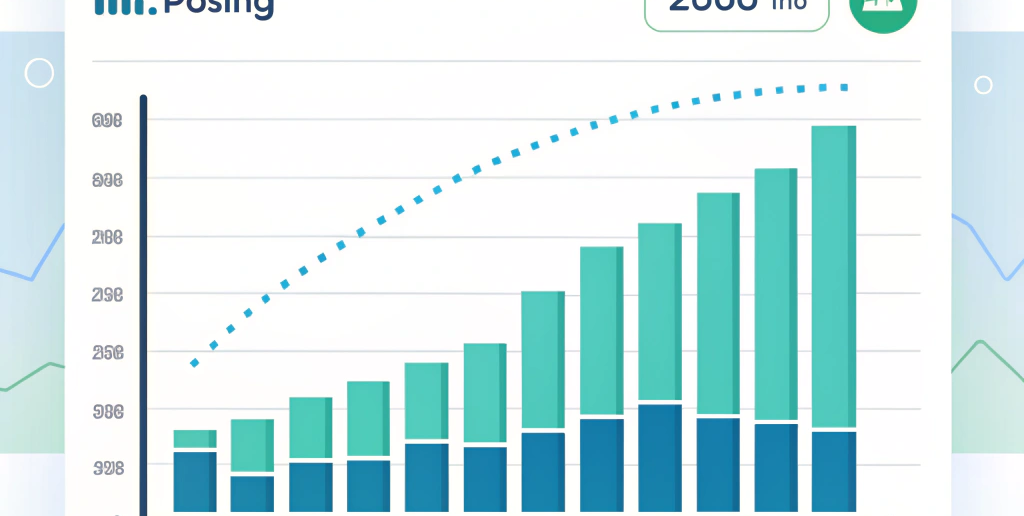
For example, one in-depth, well-researched blog post published every week can outperform three short, low-value posts published randomly. High-quality content attracts backlinks, performs better in search results, and continues to generate traffic for months or even years.
Consistency is equally important. Publishing one post every week for six months is far more effective than publishing ten posts in one month and then stopping entirely. Search engines value predictable, long-term publishing patterns.

Why Posting Frequency Matters for SEO
Posting frequency affects:
Google’s crawl rate
Audience engagement
Blog authority
Experience insight:
A blog that publishes sporadically struggles to rank, even with great content.
Quality Over Quantity
Key Principle:
Never sacrifice content quality for more posts.
One high-quality post per week beats three rushed posts.
Example:
A 1,500-word well-researched tutorial ranks higher than multiple 300-word shallow articles.
Recommended Posting Frequency for Beginners
Practical Frequency:
1–2 posts per week: Beginner blogs
2–3 posts per week: Intermediate blogs
3–5 posts per week: Advanced blogs or multi-author sites
Tip:
Consistency matters more than frequency. Google values regular updates.
Plan Your Blog Around a Content Calendar
Why a Calendar Helps:
Ensures consistent posting
Reduces writer’s block
Helps mix evergreen and trending content
Pro tip:
Schedule posts at the same day/time each week for predictability.
Internal link:
Content Creation Strategy for Blogs
Consider Your Audience and Niche
Different niches require different frequency:
| Niche | Suggested Frequency |
| Blogging & SEO | 1–2/week |
| Tech & Gadgets | 2–3/week |
| News & Trends | Daily |
| Health & Lifestyle | 1–2/week |
Human insight:
High-frequency posting is only effective if your niche supports it and content remains high-quality.
Balance with Promotion & Engagement
Publishing is only part of SEO success.
Actions Between Posts:
Share posts on social media
Respond to comments
Build internal links
Experience:
Engagement boosts rankings even for low-frequency posting.
Monitor Performance & Adjust Frequency
How to Track:
Use Google Analytics for traffic
Check search console for indexation
Track audience feedback
Pro tip:
If posts are underperforming, focus on improving content rather than increasing frequency.
Avoid Burnout (Sustainable SEO Practice)
Blogging consistency is a long-term game.
Tips:
Batch-write content
Plan 1 month ahead
Outsource or guest posts when needed
Truth:
Burnout reduces quality and consistency—both hurt SEO.
FAQ Section
Q1: Does posting daily help SEO?
Only if quality remains high; otherwise, it can hurt rankings.
Q2: Can beginners rank with just one post per week?
Yes, with strong keyword targeting and quality content.
Q3: Should I increase frequency over time?
Yes, scale as your blog grows and you have more resources.
Q4: How do I maintain consistency?
Use a content calendar and batch-create posts.
Q5: Is evergreen content better for less frequent posting?
Yes, evergreen content sustains traffic long-term.
Internal Linking Summary
Content Creation Strategy for Blogs: A Simple Framework That Works –
Blog Post Writing Tips for Beginners (That Actually Rank) –
How to Write Blog Posts That Rank on Google (Proven Process) –
External Authority Links
Google Search Central
Moz Beginner SEO Guide