Introduction
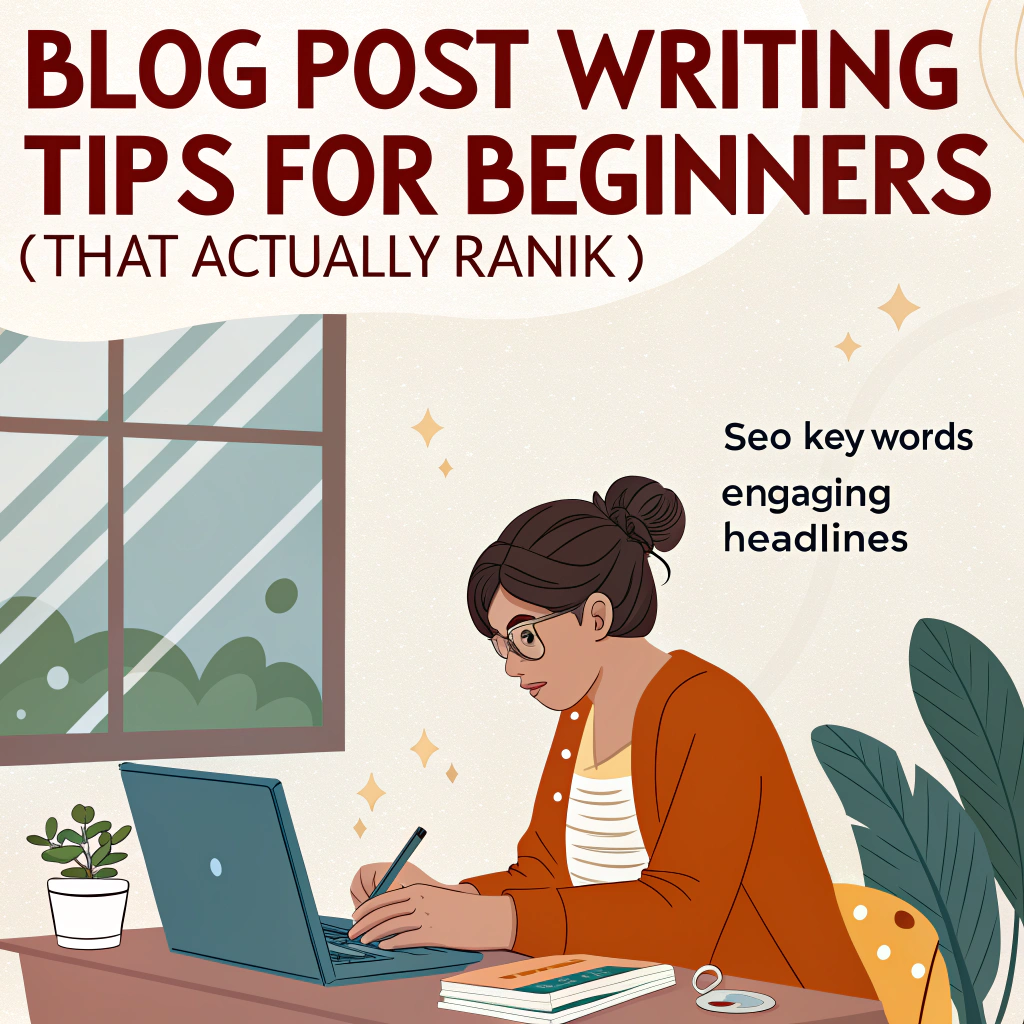
Blog post writing tips for beginners are essential because writing good English alone is not enough to succeed in blogging. Many new bloggers think that crafting a grammatically correct article guarantees traffic, but the reality is very different. Writing a blog post that ranks on Google is a skill that combines clarity, structure, SEO, and understanding user intent. I’ve seen countless blogs fail—not because the writers were poor, but because they didn’t know how search engines and readers actually work.
If you want your blog posts to rank, attract readers, and build long-term authority, you need a systematic approach. Randomly publishing posts without strategy rarely works. In 2025, Google prioritizes helpful content, well-structured articles, and content that matches what users are searching for. This guide is written specifically for beginners who want real results—not just page views from friends or family. You’ll learn a step-by-step method that works today and will continue to work in the future.
Understand Search Intent Before Writing
Before typing a single word, ask yourself: Why is someone searching this keyword? Understanding search intent is crucial because Google ranks content that satisfies user expectations.
Types of Search Intent:
-
Informational: “How to write a blog post”
-
Commercial: “Best blogging tools”
-
Transactional: “Buy hosting plan”
Understand Search Intent Before Writing
Before writing a single word, ask one question:
Why is someone searching this keyword?
Types of Search Intent:
Informational: “How to write a blog post”
Commercial: “Best blogging tools”
Transactional: “Buy hosting plan”
Beginner mistake:
Writing informational content for transactional keywords.
Internal link:
How to Write Blog Posts That Rank on Google
Use a Clear Blog Post Structure
Google and readers both love structure.
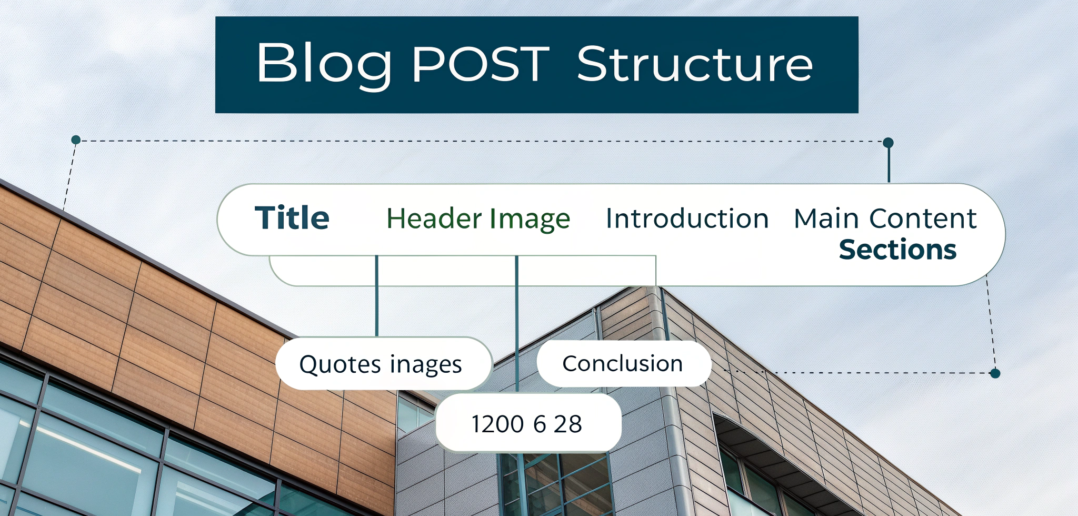
Ideal Beginner-Friendly Structure:
Main title
Main sections
Sub-points
Short paragraphs (2–3 lines)
Experience-based tip:
Well-structured posts rank faster even with fewer backlinks.
Internal link:
→ On-Page SEO Checklist
Write Headlines That Attract Clicks (Without Clickbait)
Your headline decides whether people click or scroll away.
Good Headlines Should:
Include the main keyword
Promise clear value
Sound natural
Example:
“Best Blogging Tips Ever”
“Blog Post Writing Tips for Beginners That Rank”
Common mistake:
Overusing power words that feel fake.
Focus on One Main Keyword Per Post
Beginners often try to rank for too many keywords at once.
Correct Approach:
1 primary keyword
3–5 related keywords
Natural placement
Where to Place Keywords:
Title (H1)
Introduction
Subheadings (H2/H3)
Conclusion
Avoid: keyword stuffing—it hurts rankings.
Internal link:
Keyword Research for Low Competition
Write for Humans First, Google Second
Google now prioritizes helpful content, not robotic SEO text.
How to Humanize Your Writing:
Use simple language
Share experience
Explain concepts clearly
Avoid filler sentences
Real-world example:
A beginner-friendly tutorial often outranks expert-level content because it solves the problem better.
External reference:
Google Helpful Content Guidelines
Use Examples, Lists & Visual Breaks
Long text blocks lose readers.
What Improves Engagement:
Bullet points
Numbered steps
Examples
Images
Mini case study:
Adding examples increased average time on page for a beginner blog by 40%.
Optimize for Readability (Underrated SEO Factor)
Readability affects:
Bounce rate
Time on page
Rankings
Simple Readability Tips:
Short sentences
Active voice
Conversational tone
Truth:
Clear writing beats fancy writing every time.
End with a Clear Takeaway or Action
Don’t just stop writing—guide the reader.
Good Ending Examples:
Summarize key points
Suggest next article
Encourage action
Internal links:
How Long Should a Blog Post Be
Content Creation Strategy for Blogs
FAQ Section
Q1: How long should a beginner blog post be?
1,000–1,500 words works best for SEO and depth.
Q2: Can beginners rank without backlinks?
Yes, with low-competition keywords and quality content.
Q3: Should beginners use AI for writing?
Yes, but only for support—human editing is essential.
Q4: How many keywords should one post target?
One primary keyword and a few related terms.
Q5: How often should beginners publish blog posts?
Once or twice per week is ideal.
Image / Infographic Ideas
Blog post structure diagram
Keyword placement infographic
Beginner writing mistakes chart
SEO vs human writing comparison
Internal Linking Summary
How to Write Blog Posts That Rank on Google (Proven Process)
–On-Page SEO Checklist for WordPress Websites in 2025 –
Content Creation Strategy for Blogs: A Simple Framework That Works –
External Authority Links
Google Search Central