Introduction
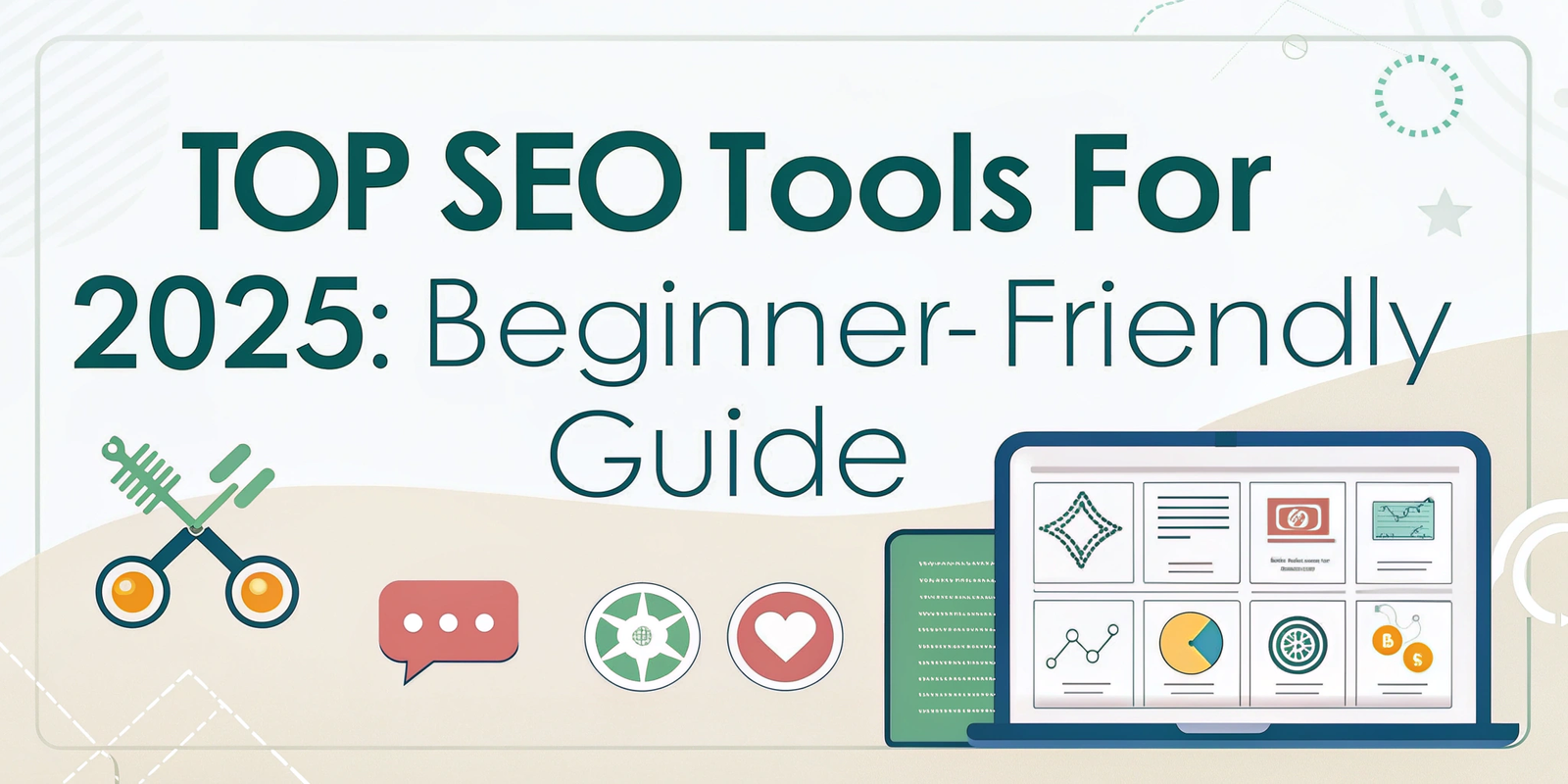
Best SEO tools for beginners in 2025 make optimizing a website faster, easier, and more effective. Many new bloggers struggle with selecting the right tools, wasting time on complicated platforms or trial-and-error methods. Through testing dozens of SEO tools, I’ve identified a core set that delivers maximum results with minimal complexity, suitable for anyone starting out.
This guide is designed to help beginners understand and use essential SEO tools in 2025. You’ll learn which tools to use for keyword research, on-page optimization, technical SEO, backlink analysis, competitor insights, and performance tracking. By following this approach, even beginners can optimize their websites like pros, save hours of manual work, and see measurable improvements in search engine rankings.
Keyword research is the foundation of SEO. Tools like Google Keyword Planner and Ubersuggest allow beginners to discover long-tail keywords, analyze search volume, and assess competition. Combining multiple tools ensures accurate data and helps identify opportunities for content creation. On-page SEO tools, such as Yoast SEO and RankMath, guide content optimization, provide readability suggestions, and support schema markup. Beginners benefit from using these plugins to structure their posts, optimize headings, meta descriptions, and images, and ensure their content meets search engine standards.
Technical SEO is another critical aspect. Google Search Console allows you to monitor crawl errors, indexing status, and Core Web Vitals, while tools like Screaming Frog SEO Spider help detect broken links, duplicate content, and metadata issues. Regular checks prevent technical problems from harming your rankings. For backlink and competitor analysis, Ahrefs and SEMrush are invaluable. They track referring domains, evaluate competitor strategies, and identify low-competition keyword opportunities, allowing beginners to make informed decisions.
Content and SERP optimization tools like AnswerThePublic and SurferSEO further enhance strategy by generating content ideas based on real user questions, analyzing top-ranking competitors, and optimizing content structure and keyword usage. Using these tools ensures your posts are highly relevant, engaging, and competitive.
When selecting SEO tools, beginners should start with free options, gradually adding beginner-friendly plugins and eventually paid tools as their site grows. Using too many tools can be overwhelming; focusing on those that save time and provide actionable insights is key.
By mastering the best SEO tools for beginners in 2025, you can create well-optimized content, track performance effectively, and grow your website’s visibility without unnecessary complexity. With the right mix of tools, strategy, and consistent practice, even novice bloggers can achieve professional-level SEO result.
Keyword Research Tools Best SEO Tools for Beginners in 2025

- Google Keyword Planner
Free and beginner-friendly
Provides search volume and competition
Ideal for long-tail keyword discovery
- Ubersuggest
Offers keyword suggestions, content ideas, and SEO difficulty
Free version works well for beginners
Tip:
Combine tools to validate keyword data.
On-Page SEO Tools Best SEO Tools for Beginners in 2025
- Yoast SEO (WordPress Plugin)
Analyzes SEO of posts in real-time
Provides readability and keyword optimization suggestions
- RankMath (WordPress Plugin)
Advanced on-page SEO features
Supports schema markup and keyword tracking
Experience:
Yoast is great for beginners, RankMath adds more control for growth.
Technical SEO Tools
- Google Search Console
Monitors crawl errors
Tracks indexing and Core Web Vitals
Identifies keywords your site ranks for
- Screaming Frog SEO Spider
Crawls websites to find broken links, duplicate content, and metadata issues
Free version available for small websites
Human insight:
Regular checks prevent technical SEO issues from hurting rankings.
Backlink & Competitor Analysis Tools
- Ahrefs
Tracks backlinks, domain authority, and competitor strategies
Keyword explorer helps find low-competition keywords
- SEMrush
All-in-one SEO suite
Supports keyword research, competitor analysis, site audit
Pro tip:
Use free tools first, paid options as your blog grows.
Content & SERP Optimization Tools
- AnswerThePublic
Generates content ideas based on questions people ask
Great for FAQ sections and blog topics
- SurferSEO
Optimizes content based on top-ranking competitors
Provides keyword density, structure, and semantic suggestions
How to Choose the Right SEO Tools
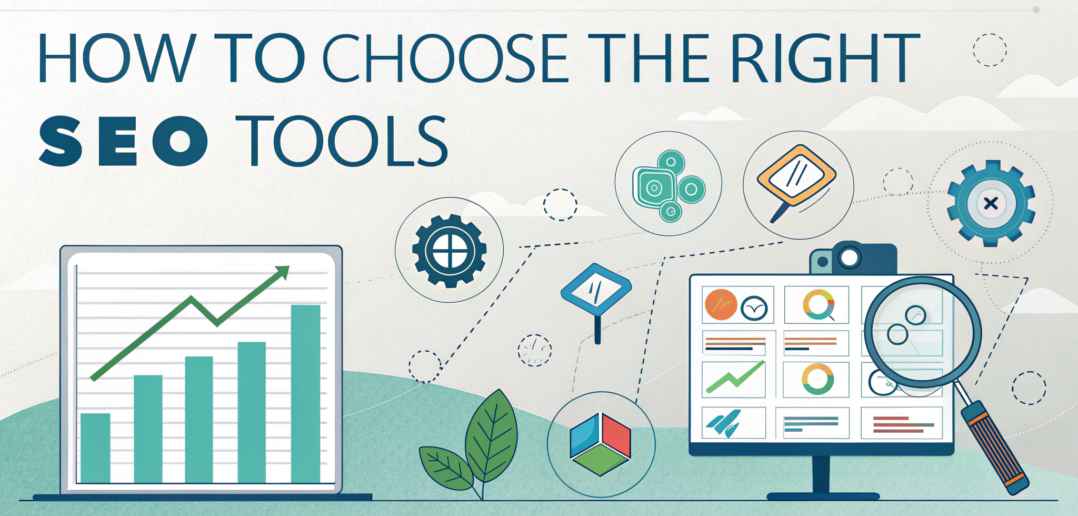
Start free: Google tools first (Keyword Planner, Search Console)
Add beginner-friendly plugins (Yoast, RankMath)
Upgrade gradually as your site grows
Focus on tools that save time and provide actionable insights
Experience:
Using too many tools overwhelms beginners—less is more.
FAQ Section
Q1: Are free SEO tools enough for beginners?
Yes, they provide sufficient data for small blogs.
Q2: Can I rely on one tool for everything?
No, use a combination for accurate data.
Q3: Do SEO tools guarantee rankings?
No, they assist—content quality and strategy matter most.
Q4: Which is better: Yoast or RankMath?
Yoast is simpler for beginners; RankMath offers more advanced features.
Q5: How often should I check my SEO metrics?
Weekly for small sites, more frequently as your site grows.
Internal Linking Summary
On-Page SEO Checklist for WordPress Websites in 2025 –
Technical SEO Checklist for Beginners: Improve Website Performance –
External Authority Links
Google Keyword Planner
Ubersuggest
Ahrefs Blog
SEMrush Blog